Independent Country Expert
Afghanistan, Cameroon, Central African Republic, Chad, Côte d’Ivoire, Democratic Republic of Congo (DRC), Equatorial Guinea, Gabon, Nigeria, Rwanda, Sudan and Syria.
PhD in Law, LLM International Human Rights Law. Bachelor's Degree in Law and Political Science
UK and International
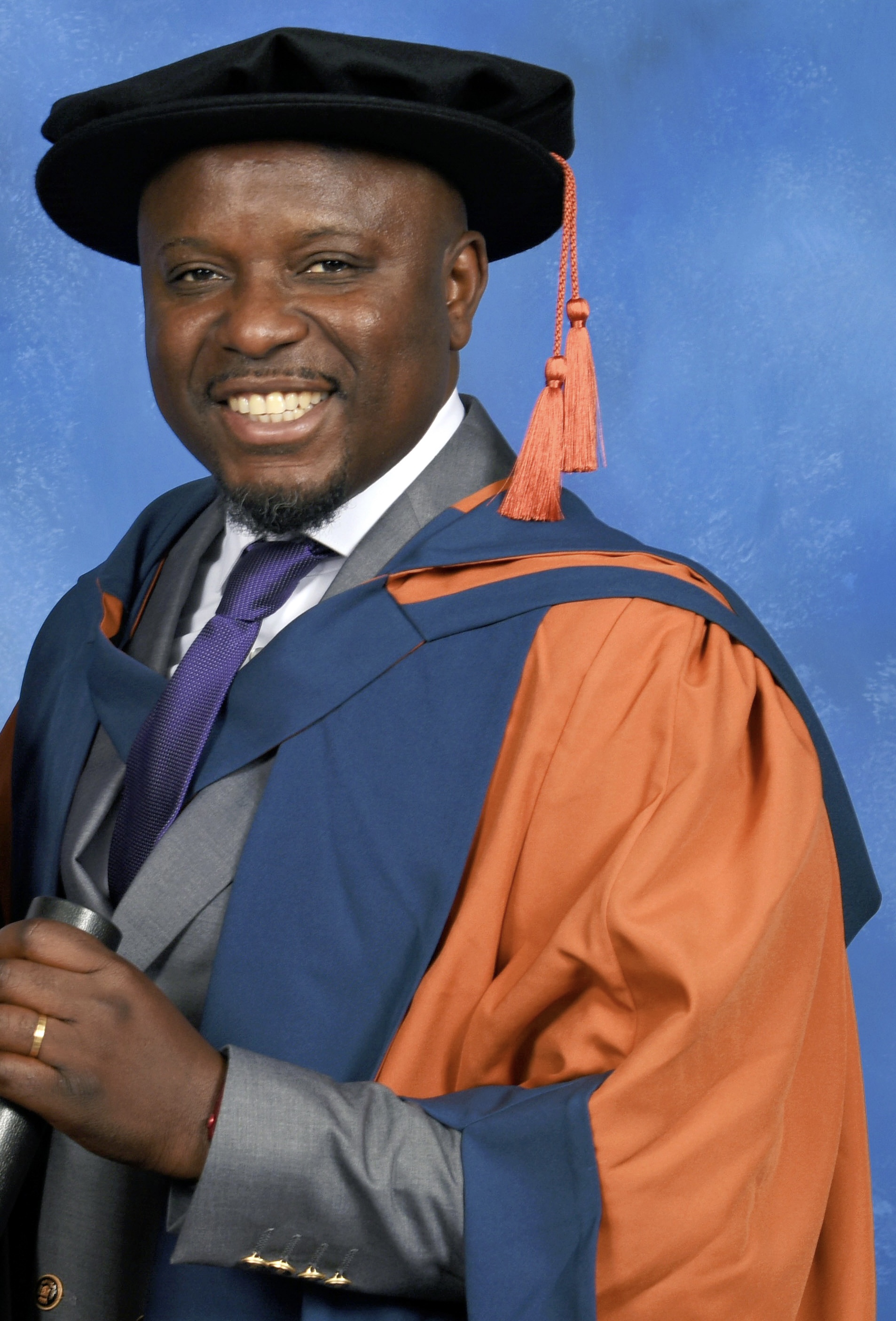
Dr Agbor is an Independent Country Expert specialising in asylum, immigration and human rights proceedings. Drawing on doctoral research, peer-reviewed academic publications, and expertise in international human rights law, constitutional law, political governance, and country conditions, he provides independent, impartial, evidence-based expert opinions to solicitors, legal practitioners, immigration tribunals, and other decision-makers.
Countries of Expertise: Afghanistan, Cameroon, Central African Republic, Chad, Côte d’Ivoire, Democratic Republic of Congo (DRC), Equatorial Guinea, Gabon, Nigeria, Rwanda, Sudan and Syria.
Expert reports assess country-of-origin conditions, political instability, armed conflict, persecution, state protection, internal relocation,human rights violations, and the risks individuals face upon return. Assessments draw on authoritative country-of-origin information,academic research, international human rights instruments, reports from governmental and non-governmental organisations, and current political and legal developments.
With approximately 25 expert reports prepared annually, brings substantial experience in delivering independent, professionally reasoned assessments that help legal representatives and tribunals evaluate complex protection claims.
Areas of Country Expertise:
• The Anglophone Crisis and its humanitarian consequences.
• Political persecution and state responses to dissent.
• Human rights violations and access to justice in Cameroon.
• Internal displacement, refugee protection and risks of forced return.
• Constitutional and governance issues affecting minority communities.
• Country conditions relevant to asylum and human rights claim
Dr Agbor's doctoral thesis examined how political factors and power relations undermine the legal protection of human rights in Cameroon, with a particular focus on the Anglophone crisis. As an Associate Fellow of the Higher Education Academy (AFHEA), a Certified Human Rights Consultant, and a Lecturer in Law at the University of Northampton, he teaches human rights, public law, constitutional law, international law, and the legal institutions governing access to justice.
Teaching and assessment experience spans Human Rights Law, Public and Constitutional Law, Criminal Justice, Land Law, Equity and Trusts, Contract Law and Business Law. This work requires evaluating legal sources, distinguishing law on the books from institutional practice, and assessing evidence using transparent research methods.
Dr Agbor prepares independent country-expert assessments on asylum and immigration matters concerning Cameroon and other states, including contexts involving armed conflict, political repression, forced recruitment, human trafficking, state protection and internal relocation. He is affiliated with the Electronic Immigration Network (EIN) and the Centre for Gender and Refugee Studies (CGRS), professional platforms that provide access to specialist legal resources, country-of-origin information and developments in refugee protection and asylum jurisprudence.
These affiliations complement his academic research and practical experience in preparing independent expert opinions for immigration and asylum proceedings. His expertise is particularly relevant to analysing conditions in the Central African Republic (CAR), including the regional consequences of armed violence, institutional fragility, human rights violations, and the vulnerabilities faced by individuals forcibly returned to unfamiliar environments.
Primary geographical research specialisation is Cameroon and, more broadly, Central Africa. Whilst his doctoral research examined the relationship between political power and the legal protection of human rights in Cameroon, he does not claim that his thesis specifically addressed CAR or that he has undertaken fieldwork there. His assessment of CAR is grounded in his broader regional expertise, comparative legal and human rights analysis, and a critical examination of credible, authoritative country-of-origin information.
Scholarly publications relevant to the methodological and substantive foundations of this report include: (a) Agbor, “Cameroon in Context: Rethinking Democracy in Central and West Africa”; (b) “Jurisdiction, Power and the Denial of Justice: The Impact of Jurisdictional Incompetence on Fair Trial Rights in Cameroon”; (c) “Democracy Without Rights? Constitutionalism, Political Power and Human Rights Protection in Cameroon and Central Africa”; and (d) “Can Artificial Intelligence be Liable? Rethinking Legal Personality in the Age of Autonomous Systems”. My most recent publication, “Growing Up in the Crossfire: Children, Youth and the Human Cost of Armed Conflict in Africa — Lessons from Cameroon’s Anglophone Crisis”, was published in the International Journal of Law and Society.
Together, the first five publications examine the interplay among political power, constitutional governance, institutional fragility, armed conflict, access to justice, human rights protection, and the disproportionate impact of insecurity on vulnerable populations, particularly children and young people. These contributions provide a comparative analytical foundation for assessing conditions in the Central African Republic, including the effectiveness of state protection, the consequences of armed violence, and the vulnerabilities of individuals exposed to displacement, insecurity, and institutional failure. The sixth publication demonstrates the breadth of my legal scholarship, particularly on accountability and legal responsibility, but it does not address CAR specifically. While these publications primarily examine Cameroon and broader African governance and human rights issues, their theoretical frameworks, comparative perspectives, and research methodologies are directly relevant to the independent assessment of country conditions and protection risks undertaken in this report.
Additional work includes research and public engagement on kidnapping for ransom and its disproportionate impact on vulnerable populations during Cameroon’s Anglophone crisis, as well as presentations on the rights of women and children in conflict. These materials further inform his approach to the interplay among insecurity, vulnerabilities, barriers to remedies, and public authority, but none presents original empirical research conducted within CAR. He is affiliated with the Society of Legal Scholars and undertakes continuing professional development in law, legal education, human rights and related governance issues.
PhD in Law, University of Plymouth • LLM International Human Rights Law. Professional Certificate in Artificial Intelligence Law.
Associate Fellow of the Higher Education Academy • Member, Society of Legal Scholars • Member, Association of Law Teachers